
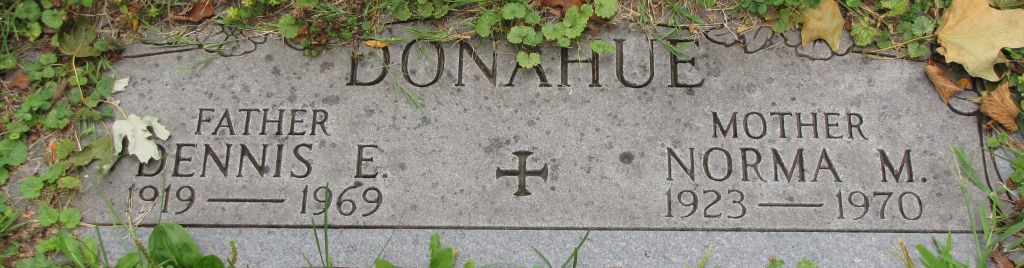
I am constructing a family history. It began in 2009 with a few notes and documents from my grandfather Dennis E. Donahue, a man who I unfortunately never met. His keen interest and painstaking letter writing to distant family members (there was no internet research at the time), as well as the curiosity that was expressed by my other grandfather T.I. Boomer (who didn’t have a clue how to approach the task) has apparently sparked some of the fruitful research I have made myself over the past 16 years.
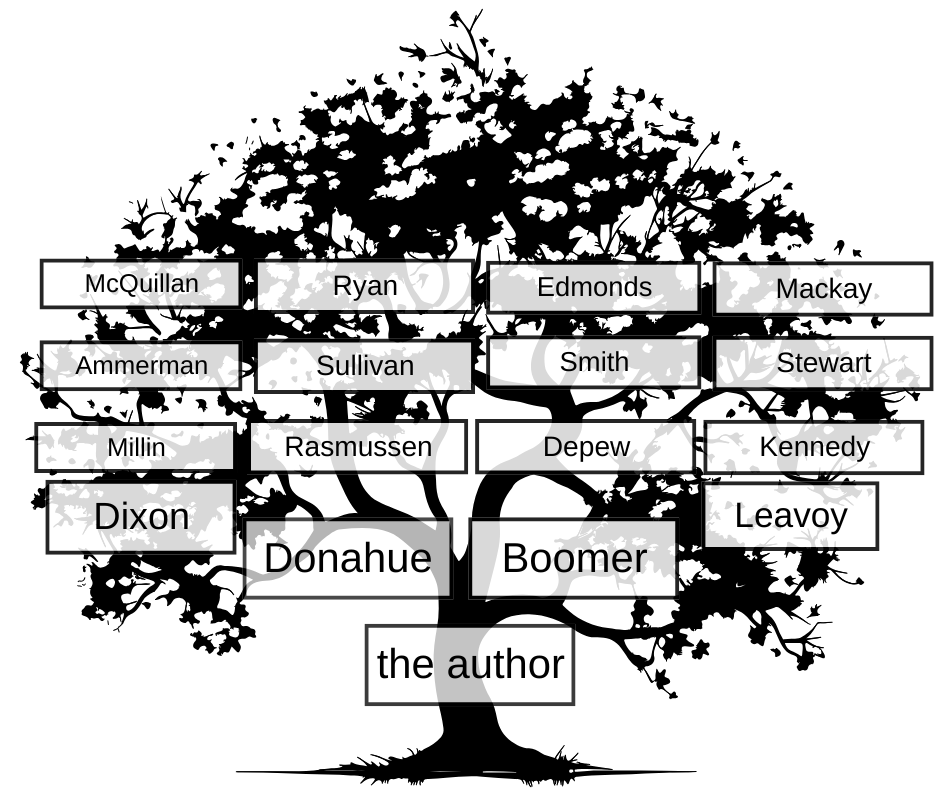
This website includes four major family groups: the Donahues, the Dixons, the Boomers, and the Leavoy family. I am also interested in all their respective offshoots: the Rasmussens, Sullivans, the Churches, Spragues and Warrens, the Kennedys and McDonnells and the Harrowers.
There are plenty of names, dates, and places in genealogy. To really make meaning of these, we need stories! I am writing short narratives about individual offshoots in my blog which I hope other researchers will enjoy. If you connect with me and share your research, you might find your own family story there. I really appreciate feedback in your comments and edits or additions you provide – when I can get to them.
Below are profiles of my four grandparents, where the research all begins. Click on their SURNAMES to be taken to their larger family trees.
Dennis Edward Donahue
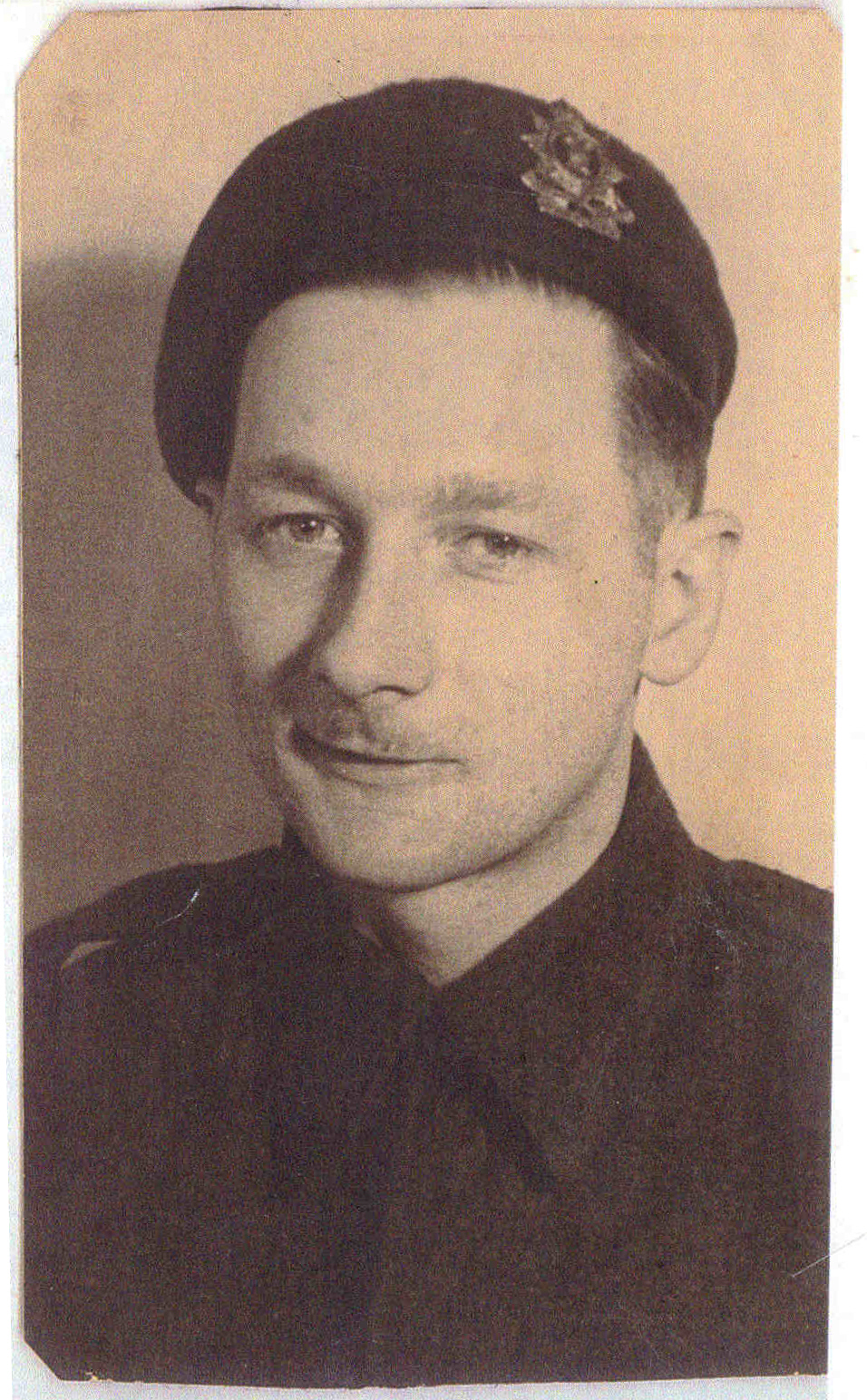
Dennis Edward Donahue, my paternal grandfather, was the eldest of five children in a resilient prairie family. Dennis was born and raised in Saskatchewan, Canada. He grew up in the small towns of Carmichael and Moose Jaw during the early 20th century. His father, Edward Donahue, immigrated from Minnesota to Saskatchewan by train in 1919, leaving behind his own family and generations of Donahue farmers who had settled in Minnesota and Wisconsin before him. In search of new opportunities, Edward aimed to start a farm on the Canadian prairies. However, he was frequently absent due to labour work. Dennis’ mother, Clara Rasmussen, held the family together and raised the five Donahue children.
From a young age, Dennis was hardworking and determined. He balanced school with a Times Herald newspaper route, and excelled in the trades throughout his education. His passion for mechanics and practical skills eventually led him to enlist in the Canadian military. He joined the motorcycle corps of the Canadian Rifles, serving as a private across the United Kingdom and continental Europe during World War II. After being discharged “to return to civil life on demobilization,” Dennis returned home and, just two months later, married Norma Dixon in Moose Jaw.
The newlyweds soon relocated to Windsor, Ontario—a booming hub for Canada’s automotive industry. Dennis found work in tool and die manufacturing, a career marked by ups and downs. A natural leader and advocate for workers’ rights, he founded the regional tool and die union, earning recognition from his peers (and even a gifted transistor radio in appreciation for his efforts!). Together, Dennis and Norma raised four children in Windsor. Though I never met him, the stories passed down from my father paint a vivid picture: Dennis was a skilled draftsman with a talent for drawing, a passionate amateur photographer, and a powerful long-distance swimmer—he was known to swim across the Detroit River with ease.
Norma Merle Dixon
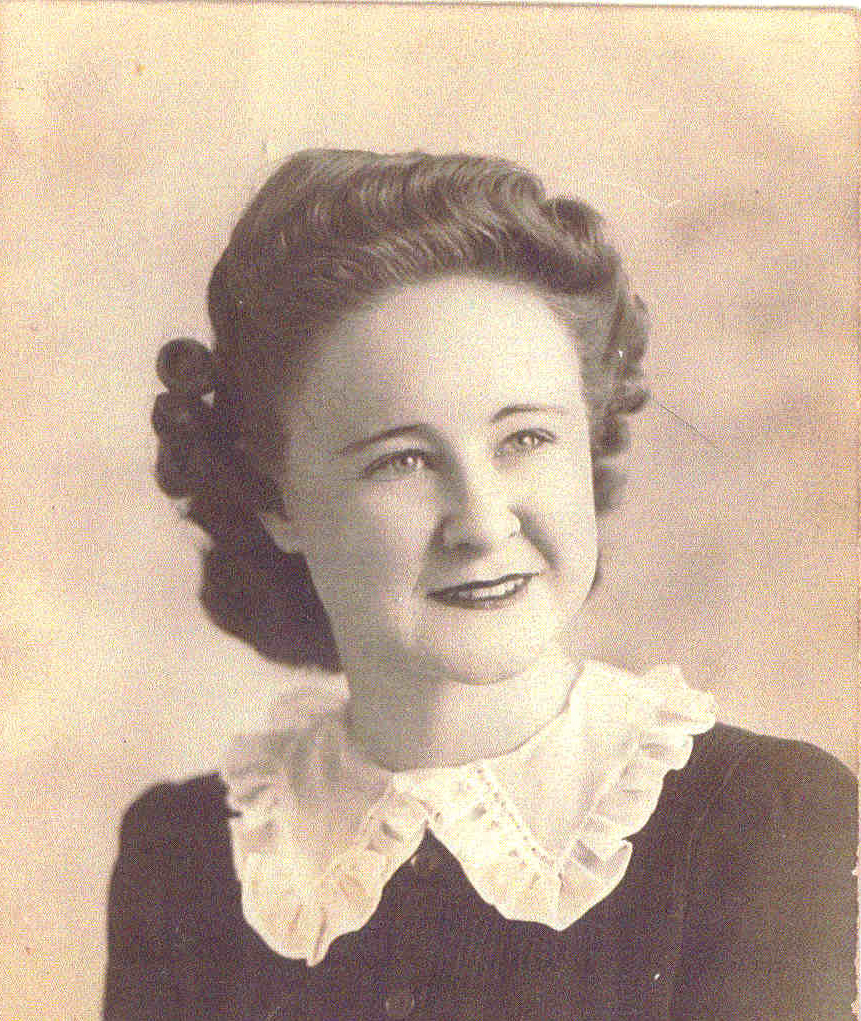
Norma Merle Dixon, my paternal grandmother, was one of five children raised on a family farm near Rocanville, Saskatchewan. Her father, Alvin Moody, had journeyed from Southern Ontario to the Canadian Prairies, eventually homesteading in Rocanville. I’m lucky to have preserved handwritten letters from his travels through Manitoba by horse and carriage. These letters offer a glimpse into the grit and determination of early Canadian pioneers.
Norma grew up immersed in rural farm life. Like many prairie girls of her generation, she attended a one-room schoolhouse. Her uncle built it, and her aunt was also the teacher. Though she struggled academically, she worked hard to improve—a testament to her resilience. Lula Millin’s family was deeply rooted in Rocanville. The Millins were among the area’s first settlers. It’s easy to imagine how strong family ties shaped her early years. But Norma dreamed bigger.
Despite her modest beginnings, she sought a more modern life beyond the prairie. She moved east to Ontario, striking out on her own—a bold move for a young woman at the time. There, she worked at the Lloyd Bag Company in Chatham, Ontario, demonstrating both independence and ambition. Eventually, she chose to leave her job and start a new chapter as the wife of Dennis Edward Donahue, a World War II veteran and tool-and-die tradesman. Settling in Windsor, Ontario, Norma and Dennis raised four children together. Her home was filled with energy and discipline—stories tell of her sending the kids outside so she could scrub the floors to the sound of opera music playing through the house.
Ted Ion Boomer
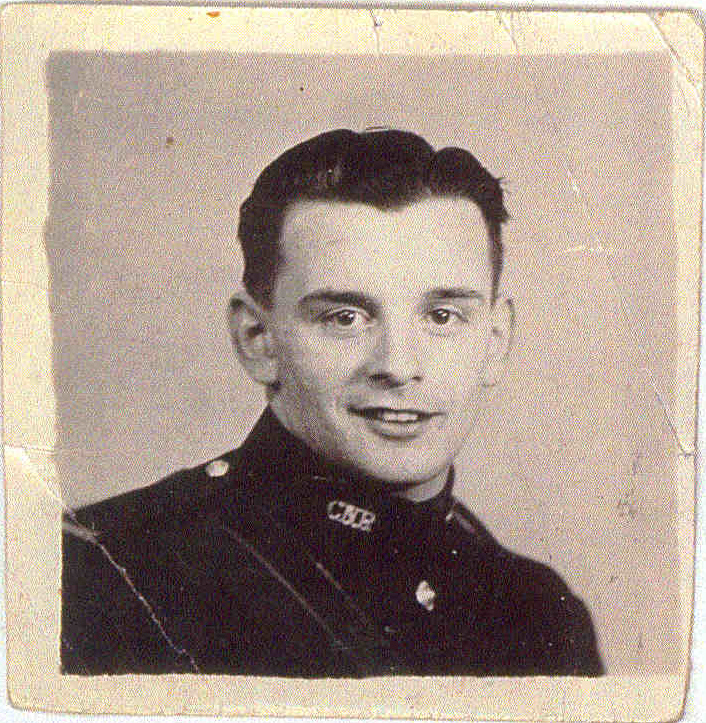
Ted Ion Boomer, my maternal grandfather, was one of seven children raised on a hardworking dairy farm in Brantford, Ontario. He came from deep farming roots—his father’s family were early settlers of the Long Point region, where they worked the land for generations. On his mother’s side, the Depew family brought a legacy of conviction and peace, having settled in the area as Methodist pacifists after migrating from the United States.
Life on the farm was not easy, and Ted’s early years were marked by hardship. As a young man, he left home and struck out on his own, hopping freight trains and heading west across Canada. He found work as a ranch hand, living the rugged life of the Canadian West before eventually joining the Canadian military. Ted served overseas during wartime, rising to the rank of sergeant. Like many veterans, his experience in the military left deep marks—both visible and invisible. After returning home, he married Helen Florine Leavoy, and together they built a life in Windsor, Ontario, raising four children.
Ted’s life was shaped by the challenges of severe mental illness, something his family navigated with both strength and struggle. While his illness brought instability, it also revealed the depth of his humanity. He was a gifted storyteller, a poet, and a musician who could often be found playing his acoustic guitar and singing. As a child, I remember his playful, rough-edged affection—his signature greeting was a scary wrestling headlock that I came to expect and, in a strange way, cherish. Despite the darkness he faced, Ted Ion Boomer left behind a legacy of creativity and resilience. His story is a reminder of the complexities of mental health, the lasting impacts of war, and the power of storytelling to keep a memory alive.
Helen Florine Leavoy
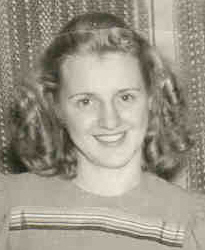
Helen Florine Leavoy, my maternal grandmother, was the youngest of six children in a family whose roots run deep across Ontario. Helen was born into a life of movement and change. She spent her childhood moving between Kingston and Windsor, Ontario. She also moved to Detroit, Michigan. These places would later shape her experiences and identity.
Her father, Gordon Leavoy, was a pioneering automotive salesman. He worked for the Ford Motor Company during the early days of Canada’s automobile boom. The Leavoy family hailed from Renfrew and Arnprior in the Ottawa Valley, where previous generations had worked as loggers and miners—hard, physical labour that laid the foundation for their family’s future. On her mother’s side, the Kennedy family also came from a background of mining and farming. They lived between the resource-rich lands of Sudbury and the Ottawa Valley. Helen inherited the grit and independence of her ancestors, but she also carried a quiet creativity that would bloom throughout her life.
In 1943, Helen married Ted Ion Boomer, a Canadian military veteran and fellow Ontario native. Together, they raised four children in Windsor, Ontario. Their marriage was complex and often difficult, marked by both love and turbulence. Eventually, they divorced while their children were still teenagers—but in a testament to their enduring bond, Helen and Ted maintained a connection even after their separation.
A talented painter and crafter, Helen expressed herself through art and handiwork, creating beauty in the everyday. Her creative spirit, grounded by her family’s working-class roots and her own life experiences, became a quiet but lasting legacy to those who knew her.


